Mostrar mensagens com a etiqueta Orhan Pamuk. Mostrar todas as mensagens

7.6.07


«Had the garden of my memory not begun to wither, I would perhaps have no reason to complain, but every time I pick up my pen, I see you, my dear readers, and as I remember what you expect of me, as I survey my arid garden and struggle to reclaim the memories that have abandoned me, one by one, all I see are the traces they left in the dry soil. To be left with only the trace of a memory is to gaze at an armchair that's still molded to the form of a love who has left never to return: It is to grieve, dear reader, it is to weep.»

Orhan Pamuk, The Black Book
(original: Kara Kitap.

Tradução de Maureen Freely)

6.6.07

Epistolário XVII

[Hunter - Backlighted beech tree]

«When he dialed his home number and Rüya picked up right away, he was shocked. 'You're awake already?' He was happy to hear that Rüya was no longer wandering through the garden of her memories and was back in the real world with everyone else.»

Orhan Pamuk, The Black Book
(original: Kara Kitap.

Tradução de Maureen Freely)


Ρ.Α. ao seu André.

Recebi a tua carta. Não não. Não vou comentá-la. Tu pediste que a deixasse secreta. Não estava à espera. É que te via tão. E agora. Strong as a ship and wise as a whale. Deixas-me feliz. Como dantes. Lembras-te. Para que foste tu. Não posso deixar de me surpreender. A tua força é impressionante. Não não. Não me refiro aos trinta e dois quilos. Quando passas aos trinta e seis. Amanhã. Tem calma. Trinta e dois ontem. Trinta e dois hoje. Tem calma. Mas não falava dessa força. Da outra. Daquela que te enche agora de tranquilidade. Vejo-te de novo tão sereno صديق tão. Não sei. Esses olhos de aço.

E agora. Há quem te diga inconstante. Ainda que não sejas tu quem lança ardentes juras apaixonadas pela terceira vez em mês e meio. Oh dear... Onde é que li isto. Já sei. McEwan. Mas não. Prometemos não falar mais disso. Encerrado. Para ti está para mim está. Tu és constante. Sabes o que queres. Sempre soubeste. E o que não queres. Mesmo se às vezes te deixas cegar. Mas também Saulo cegou. E depois voltou a ver.

E agora. Agora estás de pectus livre. Bom. Livre livre não. Eu estou lá. Mas eu. Nada. Morto. Tu sabes. E aquela estação de comboio. Há quê. Dezasseis anos. Não sei. Não me lembro. Ainda lá está. Nunca de lá saiu. Não não. Não estás de pectus livre. Limpaste-o. Mas não o vazaste. Não queres. Não deixas. Porque el alma prende fuego cuando deja de amar. E agora.

Adoro-te.

21.5.07

Time doesn't flow if you don't dream

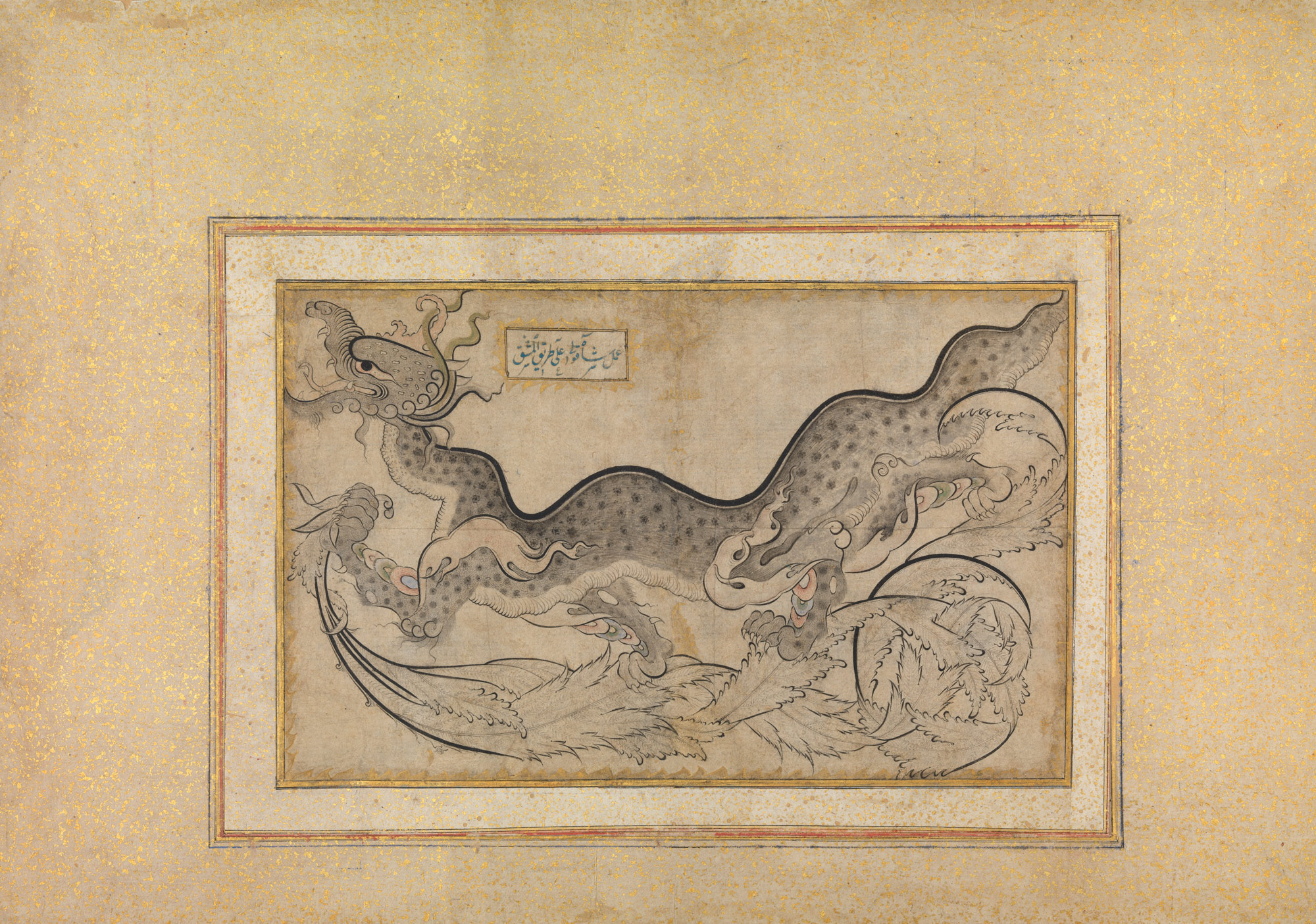
[Shah Quli, Turquia, séc. XVI]

After making a few passes over the offending spot with the burnishing shell using different motions, he returned to his former pattern, moving his hand back and forth as he stared out of the window into the distance, losing himself in daydreams. I shall never forget how before looking outside again, he briefly gazed into my eyes - as I would later do to others. This dolorous look has only one meaning, which all apprentices know quite well: Time doesn't flow if you don't dream.


Orhan Pamuk, My Name is Red
(original: Benim Adım Kırmızı. Tradução de Erdağ M. Göknar)

17.5.07

I am nothing but a corpse

[Burn - Seated figure]

I am nothing but a corpse now, a body at the bottom of a well. Though I drew my last breath long ago and my heart stopped beating, no one, apart from that vile murderer, knows what's happened to me. As for that wretch, he felt for my pulse and listened for my breath to be sure I was dead, then kicked me in the midriff, carried me to the edge of the well, raised me up and dropped me below.

Orhan Pamuk,
My Name is Red
(original:
Benim Adim Kirmizi. Tradução de Erdağ M. Göknar)


Recolho os últimos pedaços. Os olhos nas costas mirando o vazio que fica. E estas cartas que me assombram o passado. Porque chegará o nada. Porque eu quero. Porque eu quero ver. Longamente. E então ninguém me impedirá. Porque me levantei e olhei para mim.

11.5.07

O daruês

[Iluminura de Mirak Naqqash (1485) - Khusrau e Shirin]

To appear like a pair of truly impoverished Kalenderi beggar dervishes, we should roll our eyes back so our pupils look inward, the whites of our eyes facing the world like blind men - and that's exactly what we proceeded to do. In this situation, it's the nature of a dervish to behold the world in his head rather than the world outside; since our heads were full of hashish, the landscape of our minds was more pleasant than what the Frank painter saw.

Orhan Pamuk, My Name is Red
(original: Benim Adım Kırmızı. Tradução de Erdağ M. Göknar)